Shri Ram Ki Nagri
Attractions in Ayodhya
Explore the temples, ghats, and sacred landmarks of Lord Shri Ram's eternal birthplace.
Sacred Attractions
10 places of spiritual significance across the holy city
 Temples 1 Must Visit
 RAMKOT - THE SACRED BIRTHPLACE
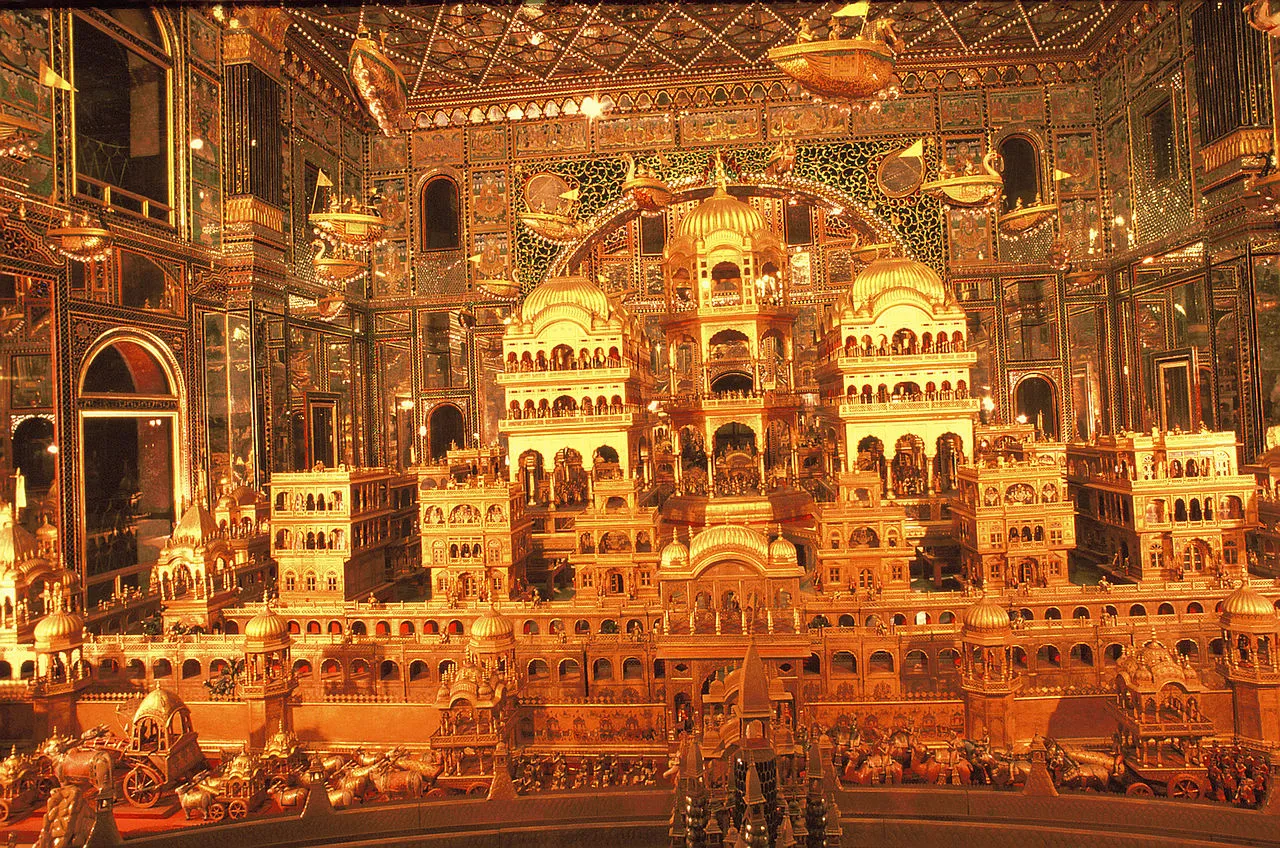
Ram Janmabhoomi
The holiest site in Ayodhya - the ancient citadel where the grand Ram Janmabhoomi temple now stands. Believed to mark the exact birthplace of Lord Shri Ram, this is the spiritual center of the entire pilgrimage.
 Temples 2 Must Visit
 THE 18TH-CENTURY FORT-TEMPLE
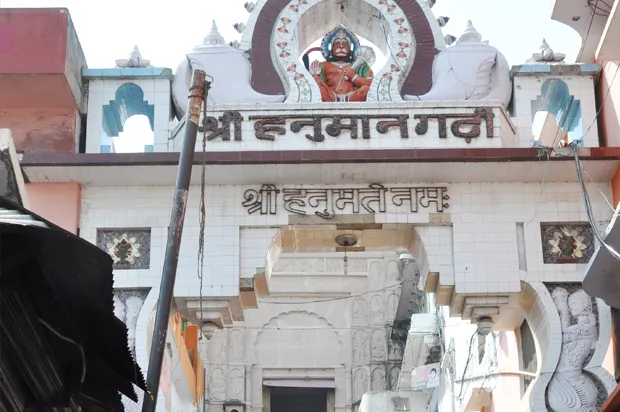
Hanuman Garhi
A magnificent fort-temple perched atop a hill, reached by 76 stone steps. Dedicated to Bajrang Bali as eternal guardian of Ayodhya, with a beloved idol of Anjani Mata cradling infant Hanuman.
 Temples 3
 THE HOUSE OF GOLD
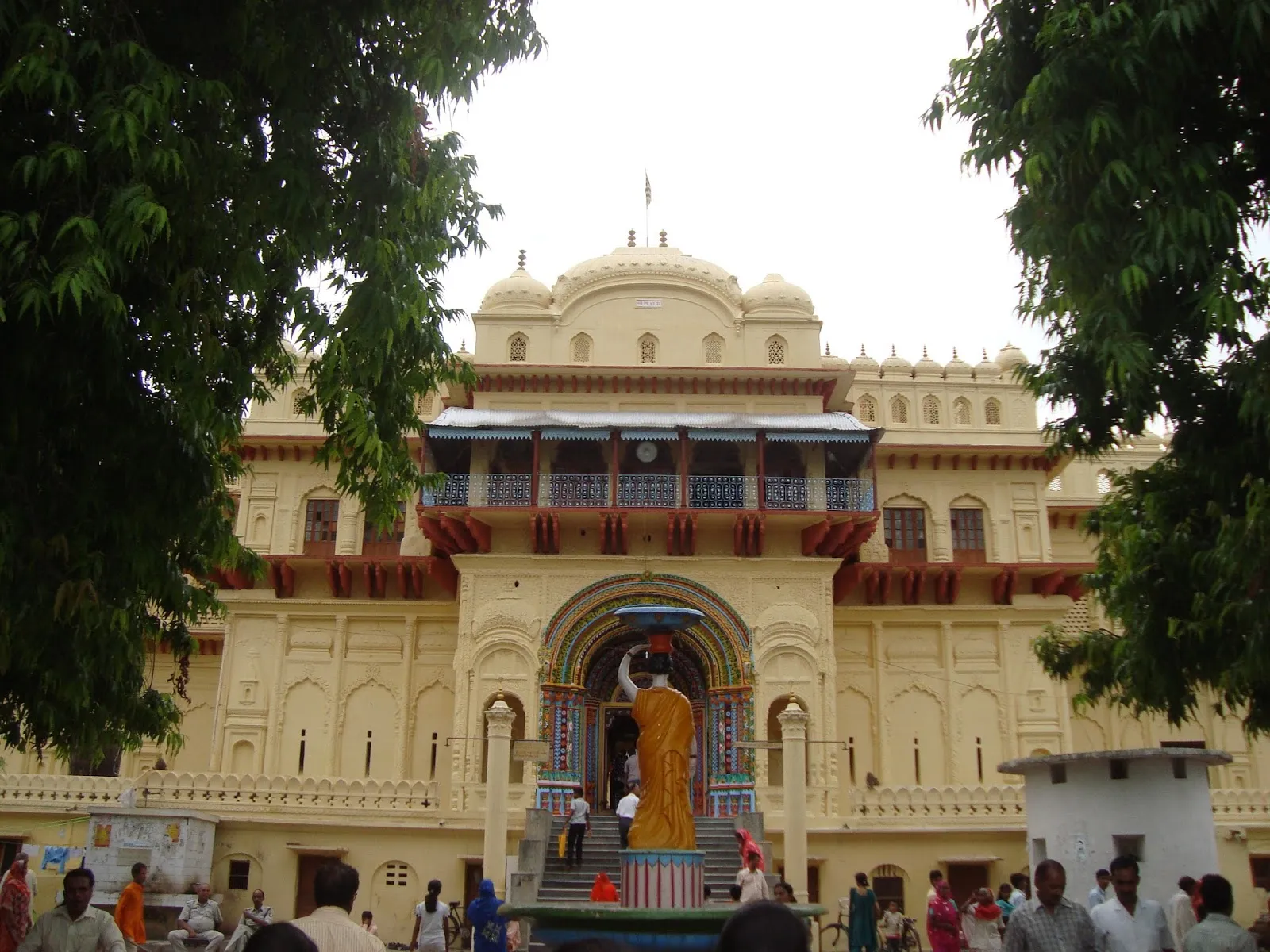
Kanak Bhawan
A radiant temple-museum enshrining golden images of Shri Ram and Sita. Legend says Kaikeyi gifted this palace to Sita as a wedding present. The interiors glow with intricate gilt work and devotional murals.
 Temples 4
 PALACE OF KING DASHRATH
Dashrath Mahal
The site believed to be the royal palace of King Dashrath, father of Lord Rama. A temple complex visited by thousands daily, housing images of the entire Raghu dynasty. Adjacent to the Ram Janmabhoomi complex.
Full guide coming soon
 Temples 5
 ESTABLISHED BY KUSHA, SON OF RAM
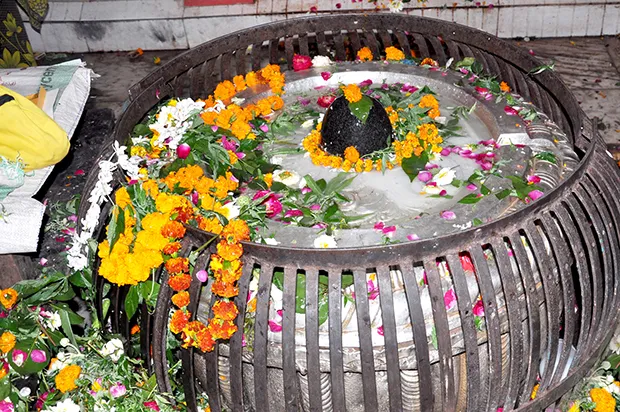
Nageshwarnath Temple
One of Ayodhya's most ancient Shiva shrines, said to have been established by Kusha - son of Shri Ram. It was this temple that helped King Vikramaditya rediscover the lost sacred sites of Ayodhya.
 Rivers & Ghats 6 Sacred Bath
 THE SACRED RIVER OF AYODHYA
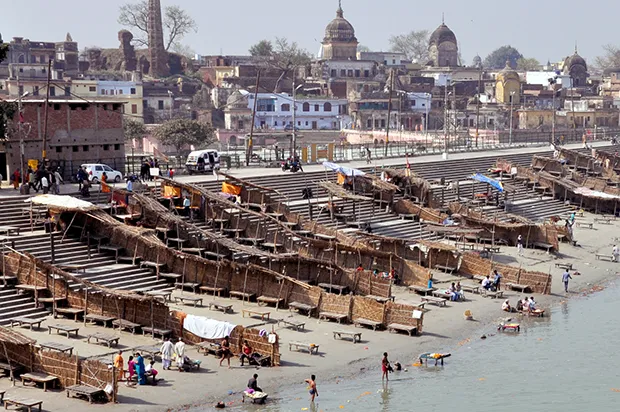
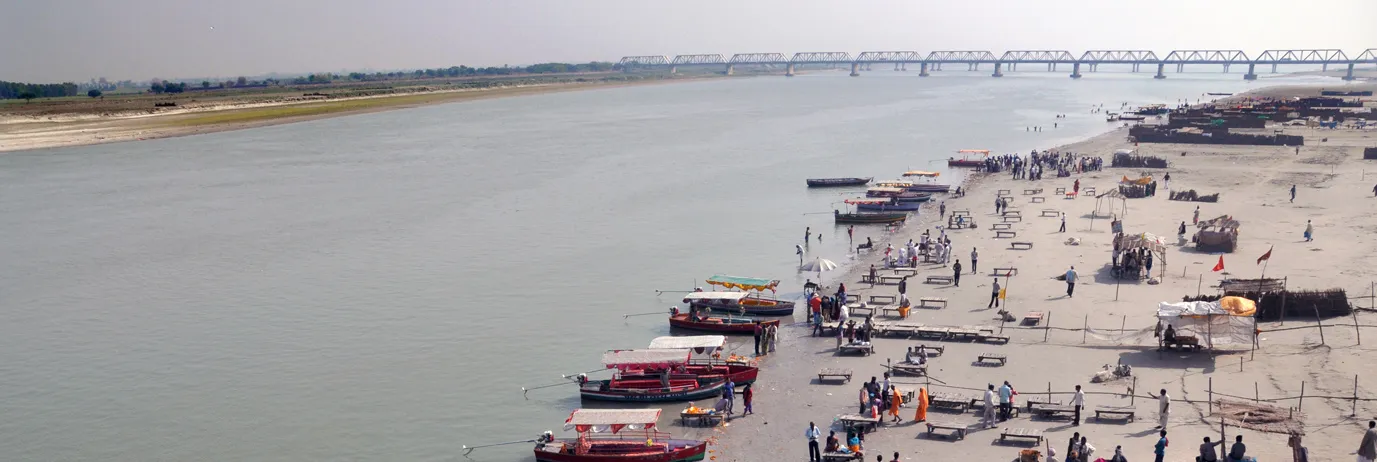
Sarayu River & Ram Ki Paidi
The holy Sarayu flows 6 km along Ayodhya's right bank. Ram Ki Paidi is the principal bathing ghat where pilgrims take their sacred snan at dawn. The evening Aarti here rivals Varanasi in quiet grace.
 Rivers & Ghats 7
 WHERE LORD RAMA RETURNED TO VAIKUNTHA
Guptar Ghat
The sacred ghat where, by tradition, Lord Rama took Jal Samadhi and ascended to Vaikuntha. A quiet, contemplative spot at the edge of old Ayodhya, with a small Vishnu temple and stone steps descending to the river.
Full guide coming soon
 Historical 8
 WHERE THE SANJIVINI MOUNTAIN FELL
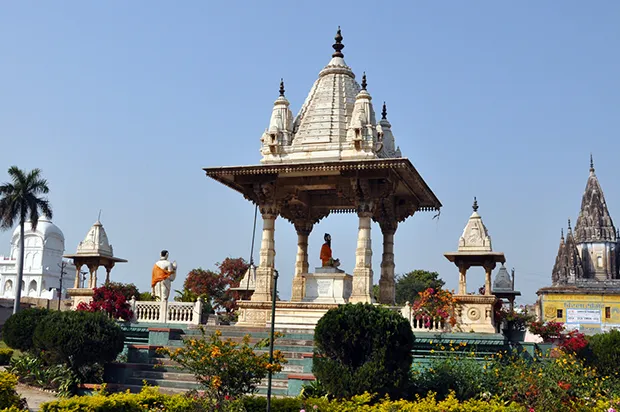
Mani Parbat
A sacred hill where, according to the Ramayana, a fragment of the Sanjivini herb mountain fell as Hanuman carried it to Lanka. The site carries a quiet, contemplative energy unlike the busier temple precincts.
 Cultural 9
 MEMORIAL TO THE RAMCHARITMANAS
Tulsidas Bhawan
A research institute and memorial dedicated to Goswami Tulsidas, the saint-poet who composed the Ramcharitmanas. Every evening from 6-9 PM, free Ramleela performances bring the epic to life in the courtyard.
 Cultural 10
 WHERE THE GURUS VISITED AYODHYA
Sikh Gurudwaras
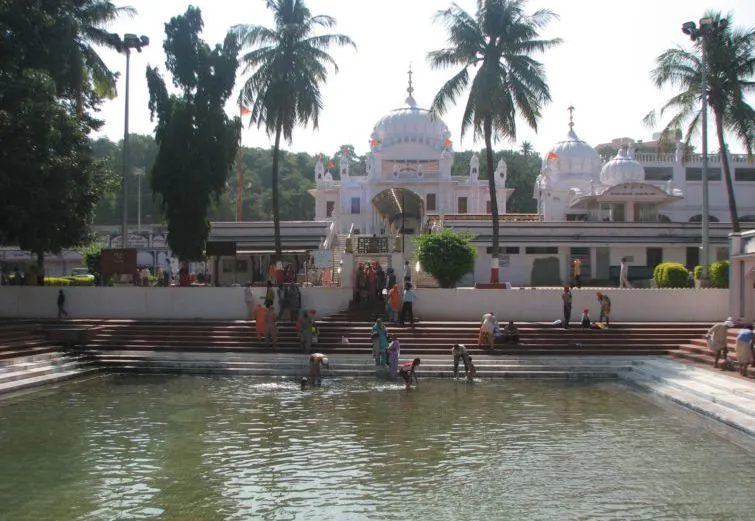
Several gurudwaras commemorate visits by Guru Nanak Dev Ji, Guru Tegh Bahadur Ji, and Guru Gobind Singh Ji - a testament to Ayodhya's universal spiritual significance across traditions.
No attractions match your search.
Traditional Pilgrimage Sequence
The time-honoured order followed by pilgrims for centuries
Plan Your Visit
Getting There
- › Nearest airport: Maharishi Valmiki International Airport (AYJ)
- › Ayodhya Junction connects to major cities by rail
- › Buses from Lucknow (140 km) run frequently
Best Season
- › Oct - Mar: ideal weather for walking the city
- › Ram Navami (Chaitra Shukla Navami): grandest festival
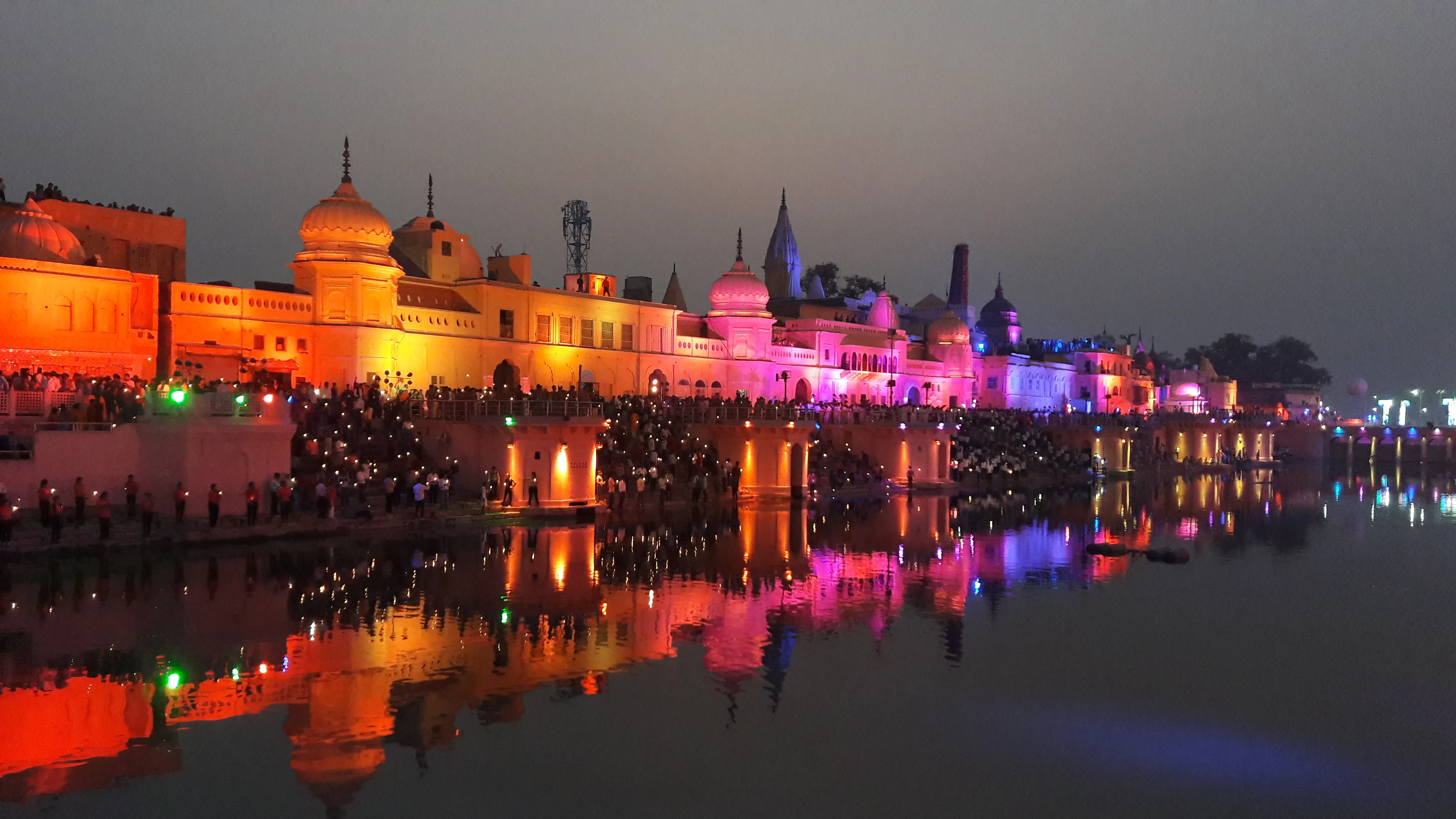
- › Deepotsav (Diwali): lakhs of diyas lit on Sarayu ghats
Devotee Tips
- › Start at Ram Janmabhoomi, follow the pilgrimage sequence
- › Dress modestly; remove shoes at temple entrances
- › Book accommodation early during festivals