Festivals of Ayodhya
Divine celebrations at the birthplace of Lord Rama. Each festival is a journey into devotion, tradition, and spiritual awakening.
Major Festivals
Seven great celebrations that draw pilgrims from across India, each rooted in an episode from the Ramayana or the life of Lord Rama.
Very High Footfall
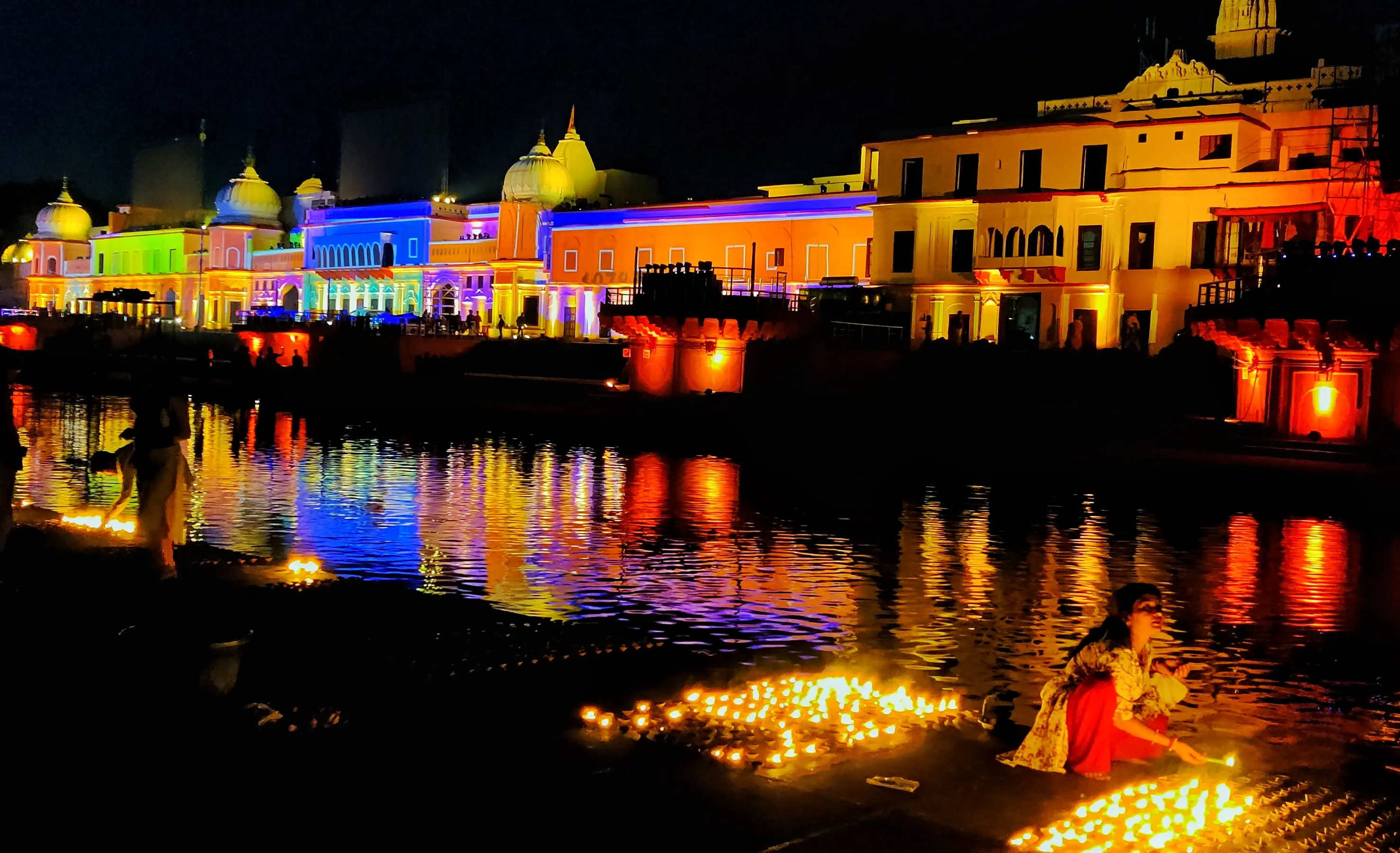
Deepotsav
Festival of Lights on the Sarayu River
 Very High Footfall
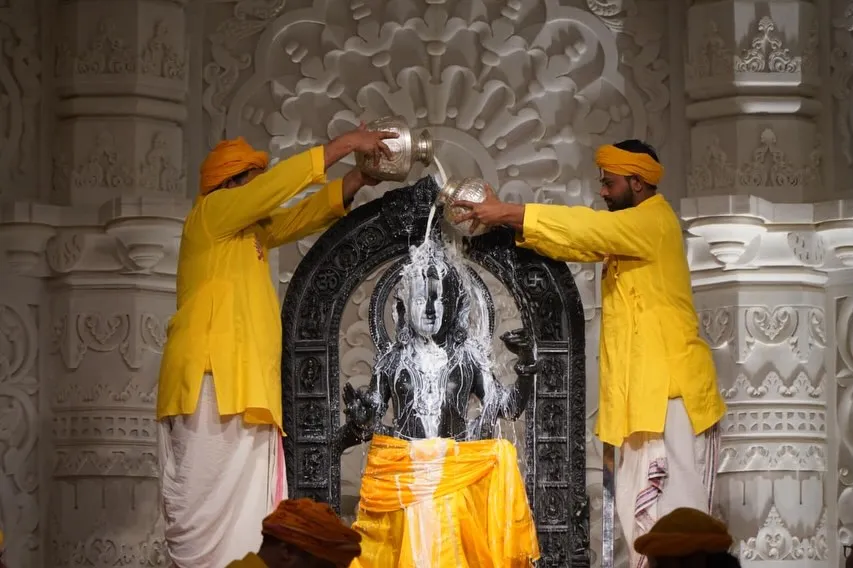
Ram Navami Mela
Birth Anniversary of Lord Ram
 Medium Footfall
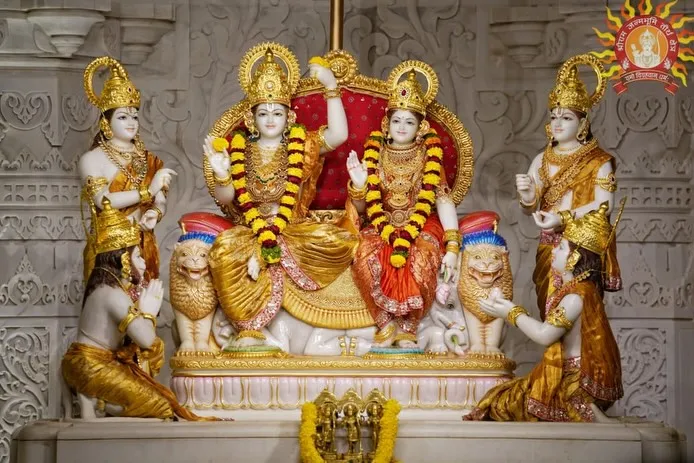
Shravan Jhula Mela
The Sacred Swing Festival
 High Footfall
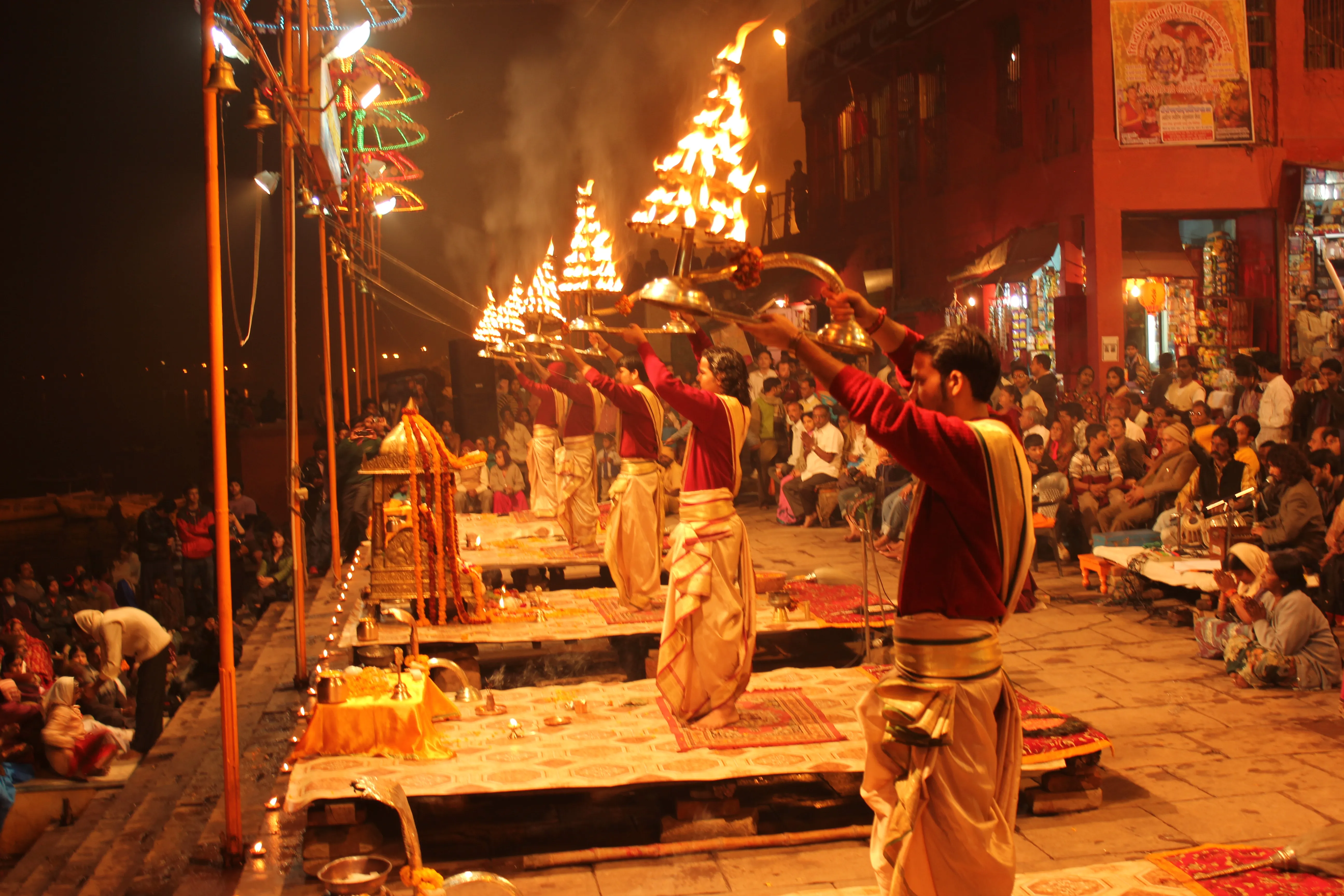
Kartik Purnima
Sacred Bathing on the Full Moon
 Medium Footfall
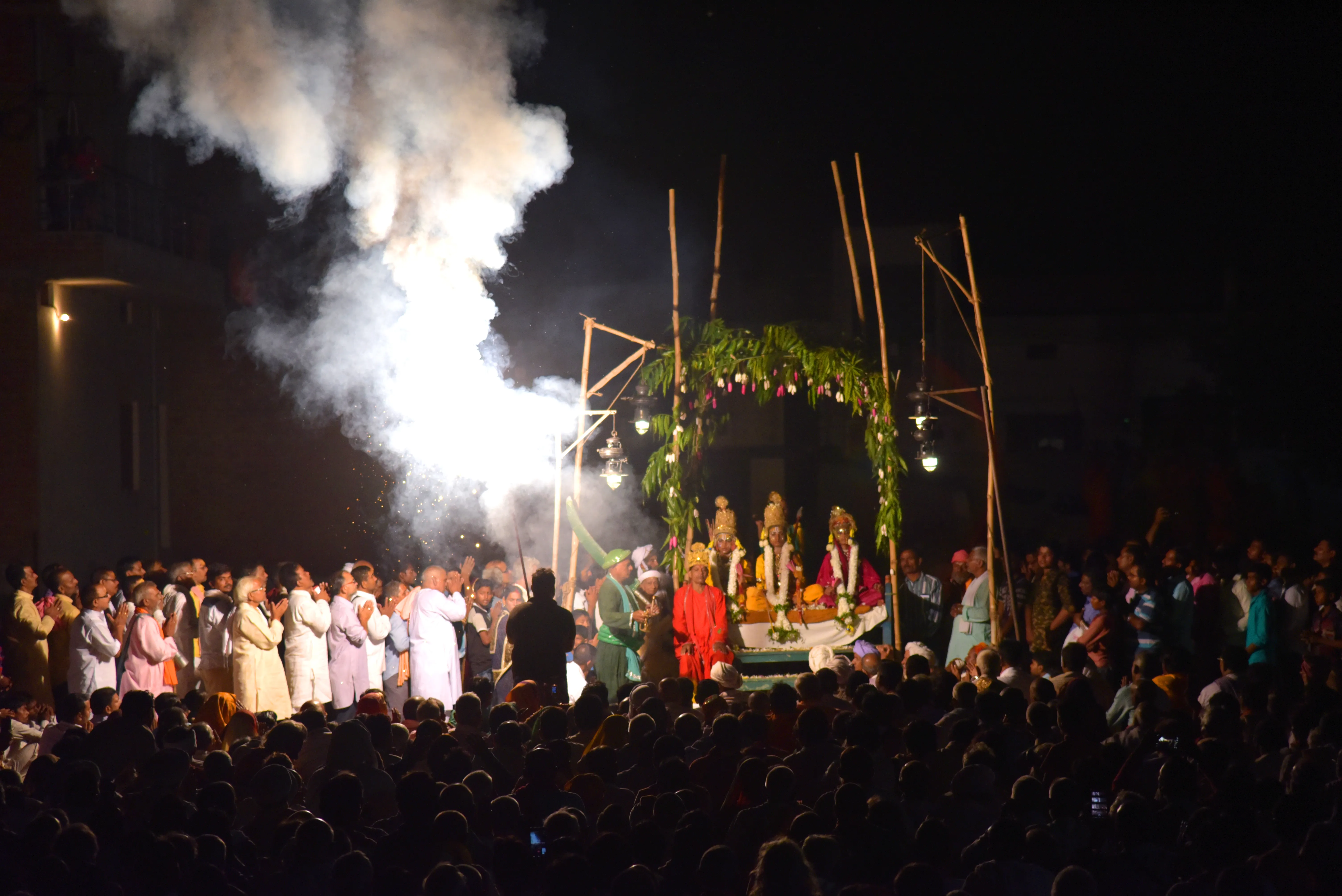
Ram Leela Mahotsav
 Low to Medium Footfall
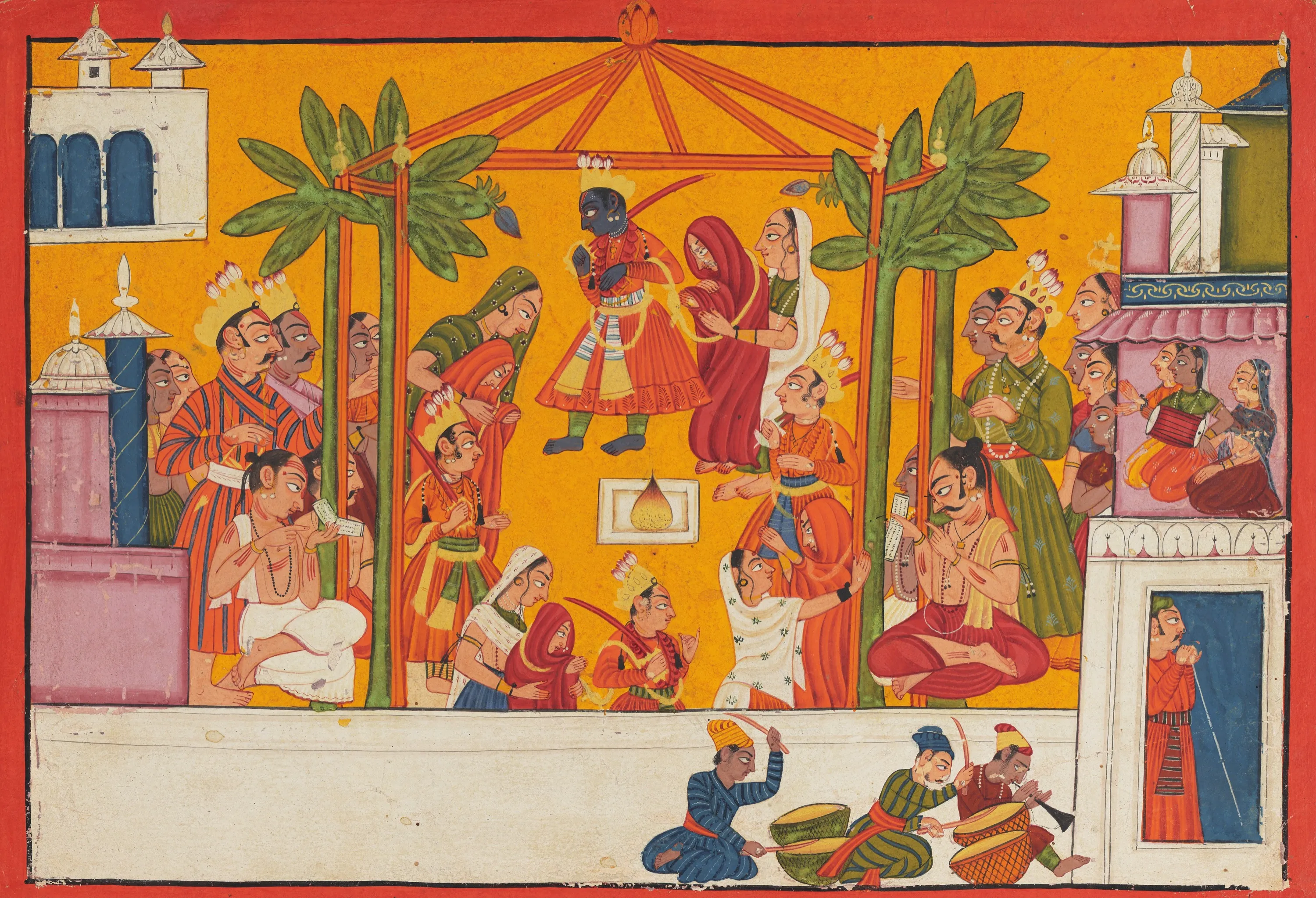
Vivah Panchami
The Divine Wedding of Ram and Sita
 High Footfall
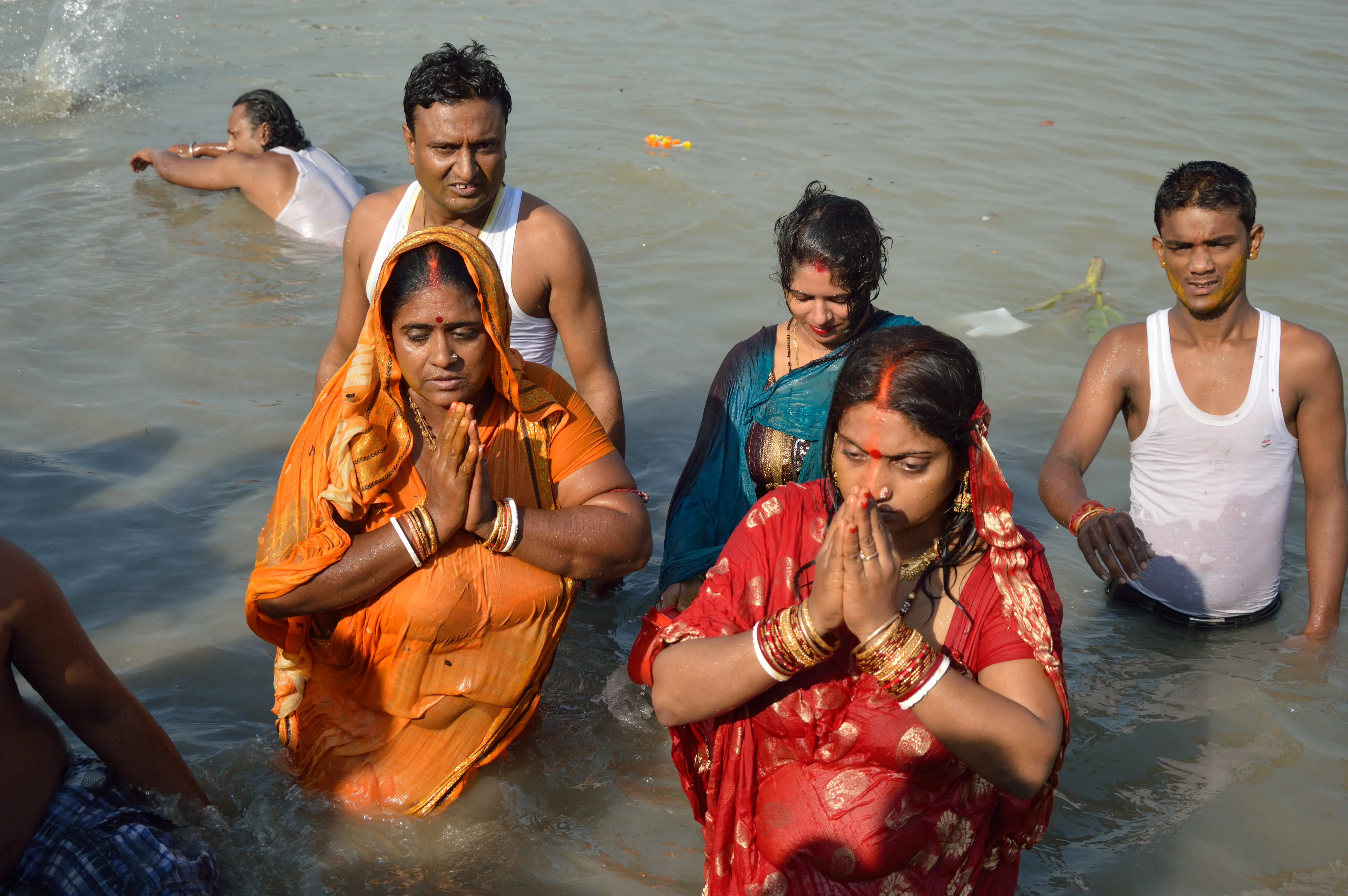
Chhath Puja
Sunrise and Sunset Worship of Surya Dev
Explore Each Festival
Click any festival card above to jump to its full details: when, where, what to expect, and how to visit.
Deepotsav
Festival of Lights on the Sarayu River
Deepotsav is the grandest celebration in Ayodhya, marking Lord Ram's return after 14 years of exile. The entire city transforms into a sea of lights as millions of oil lamps are placed along the Sarayu ghats. The 2025 edition lit 2.6 million diyas simultaneously, a Guinness World Record.
Festival Highlights
- ◆ World record attempt with lakhs of diyas lit simultaneously
- ◆ Spectacular laser show and fireworks over the Sarayu River
- ◆ Traditional Ram Lila performances throughout the city
- ◆ Mass aarti on the ghats at sunset
- ◆ Cultural programs featuring renowned artists
Deepotsav commemorates the original Diwali: the night citizens of Ayodhya lit lamps to welcome Lord Ram home. Since the consecration of Ram Mandir in January 2024, every Deepotsav carries deeper resonance: for the first time in five centuries, Lord Ram is present in his own birthplace temple on Diwali night.
The scale has grown from a state initiative in 2017 to a global symbol of Hindu civilization. Each year a symbolic re-enactment of Ram's arrival, performed with a helicopter representing the Pushpaka Vimana, moves tens of thousands to tears.
- ✓ Book accommodation 3–4 months in advance; hotels fill completely by October
- ✓ Reach Ram Ki Paidi by 4 PM to secure a ghat position before the crowds
- ✓ Wear comfortable shoes; you will walk 2–4 km between ghat zones
- ✓ Drones, large bags, and single-use plastic are not permitted near the ghats
- ✓ For a quieter view, try Guptar Ghat, less crowded than Ram Ki Paidi
Shravan Jhula Mela
The Sacred Swing Festival
Shravan Jhula Mela is a uniquely Ayodhya tradition celebrating the divine playfulness of Lord Ram, Sita, and Lakshman. During the entire monsoon month of Shravan, idols of the deities are placed on beautifully decorated swings inside their temples, recreating the joy of the rainy season in the divine household.
Festival Highlights
- ◆ Idols of Ram, Sita, and Lakshman installed on decorated swings in each temple
- ◆ Grand procession carrying the swinging idols to Mani Parvat
- ◆ Month-long celebrations with daily bhajans and special aartis
- ◆ Festive melas at Mani Parvat and surrounding grounds
- ◆ City temples decorated with monsoon flowers and greenery
The Jhula Mela originates in the idea that during Shravan, the most beloved season in the Hindu calendar, even the gods enjoy the swing. It celebrates divine intimacy: the idea that Ram, Sita, and Lakshman lived as a family in Ayodhya and shared in the simple pleasures of the monsoon. Ayodhya's Jhula Mela is considered the most elaborate of its kind in all of north India.
- ✓ The mela runs the entire month; any week in Shravan is a good time to visit
- ✓ Mani Parvat is the focal point; visit on Shravan Krishna Tritiya for the opening ceremony
- ✓ Monsoon weather: carry an umbrella and wear waterproof footwear
- ✓ Accommodation is easy to find, much less crowded than Deepotsav or Ram Navami
Kartik Purnima
Sacred Bathing on the Full Moon
Kartik Purnima is the full moon night of the Kartik month and one of the holiest bathing occasions in the Hindu calendar. At Ayodhya, lakhs of pilgrims descend on the Sarayu ghats for a sacred pre-dawn dip, believing it carries the merit of a hundred Ashwamedha yajnas.
Festival Highlights
- ◆ Sacred pre-dawn bath (amrit snan) in the Sarayu River
- ◆ Thousands of oil lamps floated on the river at dusk (Dev Deepawali)
- ◆ Grand evening aarti at Ram Ki Paidi rivalling Deepotsav in atmosphere
- ◆ Spiritual discourses and bhajan sessions throughout the day
- ◆ Special puja at Nageshwarnath temple and other ancient shrines
Kartik is considered the month most dear to Lord Vishnu and Lord Ram. The Purnima of Kartik is doubly sacred at Ayodhya: it marks the day Lord Ram returned from Lanka according to some scriptural traditions, and it is the occasion of Dev Deepawali, the festival of the gods. A bath in the Sarayu on this night is believed to wash away the sins of many lifetimes.
- ✓ Arrive at the ghats by 4 AM to take the sacred pre-dawn bath before the crowds build
- ✓ The evening lamp-floating ceremony begins at sunset; plan to stay for it
- ✓ November mornings are cool; carry a shawl or jacket for the pre-dawn bath
- ✓ The illuminated ghats at night are highly photogenic; protect your camera from water splash
Ram Leela Mahotsav
The Ramayana Enacted Live
Ram Leela Mahotsav is the dramatic enactment of the Ramayana performed across Ayodhya from Navratri through Dussehra. Based on Tulsidas's Ramcharitmanas, the performances blend classical Kathak dance, folk music, elaborate costumes, and the powerful recitation of Sanskrit shlokas.
Festival Highlights
- ◆ Nightly performances of Ramayana episodes across multiple stages in the city
- ◆ Elaborate Kathak and folk dance sequences with traditional costumes
- ◆ The Lanka Dahan, effigy of Ravana set alight on Dussehra night
- ◆ Ayodhya-style mandali Ram Lila: dialogue-heavy, set to live music
- ◆ Grand tableaux (jhankis) carried through the streets depicting key Ramayana scenes
Ram Lila is believed to have been started by Tulsidas himself, making Ayodhya's tradition the oldest and most authentic lineage of this art form. The mandali style, where professional troupes perform dialogue-driven plays with full musical accompaniment, is unique to Ayodhya and recognized as a UNESCO Intangible Cultural Heritage. To watch Ram Lila at Ayodhya is to witness an unbroken 500-year tradition.
- ✓ Each evening's performance takes place at different venues; check the schedule at the local tourism office
- ✓ The Dussehra finale is the most dramatic; Ravana effigies can be 50–70 feet tall
- ✓ Performances typically begin at 7 PM; arrive 30 minutes early for seating
- ✓ October evenings are warm; light cotton clothing is comfortable
- ✓ Combine with a visit to Kanak Bhawan and Ram Mandir during the day
Vivah Panchami
The Divine Wedding of Ram and Sita
Vivah Panchami commemorates the wedding anniversary of Lord Ram and Mother Sita on the fifth day of the bright fortnight of Margashirsha. The entire city of Ayodhya becomes a wedding venue as temples enact elaborate marriage ceremonies for the divine couple.
Festival Highlights
- ◆ Grand wedding ceremony (vivah utsav) enacted at major temples across the city
- ◆ Procession of Ram's wedding party (barat) through the streets of Ayodhya
- ◆ Temples decorated with flowers, lights, and traditional wedding ornaments
- ◆ Special kirtans and bhajans celebrating the divine union
- ◆ Distribution of wedding prasad to all devotees
Vivah Panchami is of special significance at Ayodhya as it is Lord Ram's own city. The marriage of Ram and Sita, described in rich detail in the Bala Kanda of Valmiki Ramayana, is considered the ideal of Hindu matrimony. The celebration mirrors festivities at Janakpur in Nepal (Sita's birthplace), where a procession of Ram's wedding party traditionally travels to unite the divine couple.
- ✓ The main procession starts from Ram Janmabhoomi in the late afternoon; arrive by 3 PM
- ✓ Kanak Bhawan is the most beautifully decorated temple for this festival
- ✓ Crowds are moderate compared to Deepotsav; darshan is relatively easy
- ✓ Margashirsha weather is pleasant and cool, ideal for walking and temple-hopping
Chhath Puja
Sunrise and Sunset Worship of Surya Dev
Chhath Puja is a four-day festival of rigorous fasting and worship dedicated to the Sun God (Surya Dev) and Chhathi Maiya. At Ayodhya, the celebration on the Sarayu banks carries added sanctity: the Sarayu is connected to the solar lineage of Lord Ram (the Suryavansha).
Festival Highlights
- ◆ Nahay Khay (Day 1): purification bath and a single sacred meal
- ◆ Kharna (Day 2): devotees observe a complete fast without food or water
- ◆ Sandhya Arghya (Day 3): offering to the setting sun from the Sarayu River
- ◆ Usha Arghya (Day 4): offering to the rising sun at dawn, the emotional peak
- ◆ Thousands of devotees standing in the river at sunrise in a sea of orange
Chhath Puja has a direct Ramayana connection: it is said that Sita herself performed Chhath on the banks of the Ganga after returning from Lanka. Lord Ram belongs to the Suryavansha (the Solar Dynasty), making the worship of Surya Dev especially resonant at his birthplace. The four-day vrata with a complete nirjala fast on the second day is one of the most demanding observances in the Hindu calendar.
- ✓ The ghats are most crowded on Day 3 (sunset arghya) and Day 4 (sunrise arghya)
- ✓ Arrive at least 2 hours before sunset or sunrise for a good position on the ghats
- ✓ November mornings are cold at the river; bring a warm wrap for the pre-dawn ceremony
- ✓ The sunrise arghya on Day 4 is the most photogenic moment of the festival
- ✓ Avoid touching or interrupting vratis (those fasting); they are in deep religious observance
Sacred Parikramas
Circumambulation routes unique to Ayodhya, ranging from a single day to a multi-day journey. Each parikrama is a living act of devotion in which the body and the holy city become one.
| Parikrama | Distance | Route and details |
|---|---|---|
| Antargrihi | Short (1 day) | Internal temple circumambulation, completed in a single day |
| Panchkoshi | ~15 km | Covers ~30 sacred sites across Ayodhya, done over 2 days |
| Chaudahakoshi | ~42 km | Links Ramkot to Guptar Ghat, passing 36 sacred locations |
| Chaurasikoshi | ~275+ km | The longest route, encompassing 148 sacred places |
Daily Saryu Aarti
Not a seasonal festival but a nightly tradition: every evening at around 7 PM, priests perform a grand aarti at the Saryu ghats with synchronized worship, multi-tiered brass oil lamps, conch shells, and devotional music. The atmosphere is reminiscent of the Ganga Aarti at Varanasi.
Where: Ram Ki Paidi and the main ghats · When: Every evening, around 7 PM IST
Planning a visit during a festival? See Where to stay and How to reach Ayodhya.
Photo credits (via Wikimedia Commons): Deepotsav: Abhimanyu7793 (CC BY-SA 4.0) · Ram Navami: Shri Ram Janmabhoomi Teerth Kshetra · Shravan Jhula Mela: Shri Ram Janmabhoomi Teerth Kshetra · Kartik Purnima: AKS.9955 (CC BY-SA 4.0) · Ram Leela at Ramnagar: Rosehubwiki / Kuber Patel (CC BY-SA 4.0) · Marriage of Rama and Sita: public domain · Chhath Puja: Biswarup Ganguly (CC BY 3.0)